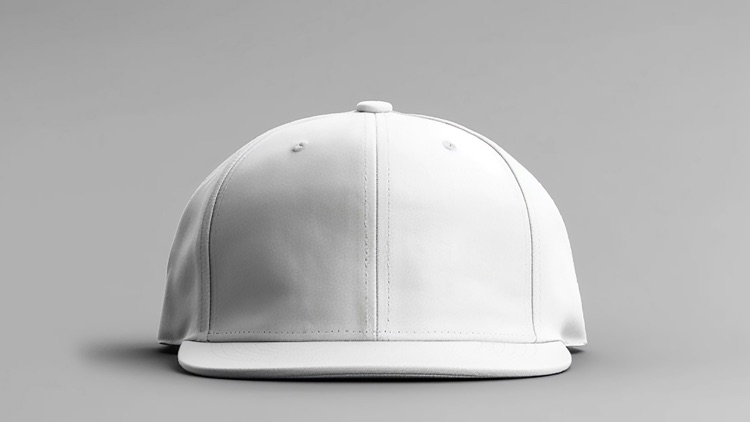
Golf caps are small products, but they carry a large part of a brand’s image.
A cap may be worn on the course, in a clubhouse, at a tournament, in a retail store, or as part of a lifestyle collection. If the fit feels wrong, the brim shape looks cheap, the logo sits poorly, or the second production run does not match the first, customers notice.
Choosing a custom golf cap manufacturer therefore requires verification of sewing capacity, fit control, fabric choice, decoration, sampling, and repeat production.
Use the checks below before starting custom cap production.
Why Golf Caps Need a Different Manufacturing Approach
Golf headwear sits between performance wear and brand merchandise.
The product has to look clean enough for retail presentation and feel comfortable during long outdoor use. A cap may need moisture control, sun protection, stable fit, and a premium logo finish. This makes golf caps different from basic promotional caps.
For custom golf cap production, buyers should evaluate both product appearance and real wearing experience.
Decide Between Retail Customization and OEM Production
Search results for custom golf caps often mix two different needs.
Some buyers want a simple design-your-own ordering page for a small batch of custom golf hats. Others need OEM or wholesale production for a golf apparel brand, tournament program, or repeat retail collection. These are not the same project.
If you need one-time event merchandise, a catalog customization platform may be enough. If you need custom fabric, private label packaging, repeatable fit, special trims, or ongoing production, you need a manufacturer that can support product development and bulk consistency.
Start With Brand Positioning and Use Case
Before choosing fabric or logo technique, define what the cap is supposed to do.
A premium golf apparel brand may want a structured cap with a clean profile, refined embroidery, and consistent color matching. A tournament supplier may need reliable bulk production and packaging. A performance sports brand may care more about breathable fabric, lightweight feel, and sweat management.
Your brief should include:
- Target customer
- Retail price level
- Use case
- Estimated order quantity
- Preferred fit
- Reference styles
- Logo position
- Fabric direction
- Packaging expectations
A clear brief helps the manufacturer recommend a practical product instead of guessing from a logo file.
Evaluate Fabric and Comfort Details
Fabric affects comfort, structure, and perceived quality.
Cotton blends can create a traditional look, while polyester and performance fabrics can help with moisture management and quick drying. Stretch fabrics may improve fit, but they need controlled pattern development. Mesh or perforated panels can improve airflow, but they also change the cap’s appearance.
Do not choose fabric only from a small swatch. Ask how it behaves after cutting, stitching, logo application, packing, and wear.
Consider Golf-Specific Features
Golf caps may include details that do not matter in standard promotional hats.
Depending on the brand and customer, buyers may ask for rope brims, magnetic ball markers, tee holders, lightweight sweatbands, UV-focused fabrics, perforated panels, or premium closure details. These features affect sampling, costing, and production control.
Before requesting a quote, decide which features are essential and which are optional. This keeps the supplier from quoting a generic cap when the brand actually needs a golf-specific product.
Check Fit, Crown Shape, and Brim Construction
Fit is one of the hardest details to judge from photos.
Crown depth, panel shape, seam placement, sweatband, closure type, and brim curve all affect how the cap feels. A cap that looks good on a table may sit too high, feel too shallow, or lose shape after packing.
For golf caps, the brim also matters. It should look balanced, hold shape, and match the style of the collection. The wrong brim curve can make a premium cap feel generic.
During sample review, test the cap on real wearers instead of approving only by appearance.
Choose the Right Logo Method
Logo decoration is a major part of golf cap quality.
Embroidery is common because it gives a durable and premium look. However, dense embroidery can feel heavy or distort lightweight fabric. Heat transfer can create a cleaner performance look, but it must be applied correctly. Woven patches, rubber patches, leather patches, and printed details can all work depending on the brand style.
Before choosing a logo method, consider logo size, fabric type, crown structure, target price, durability, and whether the cap will be worn mainly for sport, retail, or promotion.
Review Sampling and Revision Process
Sampling is where the brand and manufacturer align expectations.
A production-ready sample should be checked for fit, crown shape, brim curve, logo position, stitching, fabric feel, sweatband comfort, color, and packaging. If the first sample is not right, the revision notes should be specific.
Instead of saying “make it better,” mark the actual problem: lower the crown, adjust the brim curve, reduce logo height, change sweatband material, or match a reference color more closely.
Specific feedback makes the second sample easier to judge.
Confirm Bulk Quality Control
Bulk production consistency matters more than one perfect sample.
Before production, ask how the manufacturer controls fabric color, logo placement, stitching, crown shape, sweatband alignment, brim curve, and packing. For repeat orders, ask how the approved sample and production specifications are stored.
This matters because golf brands often reorder styles. A customer who liked the first batch expects the next batch to feel the same.
Brands looking for a manufacturing partner can start by discussing requirements with an OEM golf cap manufacturer that understands product development, sampling, and bulk production expectations.
Questions to Ask Before Production
Before placing an order, ask:
- Have you made similar golf caps before?
- Which fabric do you recommend for this use case?
- Which logo method fits this material?
- How many sample rounds are typical?
- How do you control color and fit consistency?
- What quality checks happen before shipment?
- What information do you need from our brand before quoting?
The answers reveal whether the supplier is simply taking an order or helping develop a product.
FAQ
What is a custom golf cap manufacturer?
A custom golf cap manufacturer produces golf caps for brands based on the buyer’s design, logo, fabric, fit, and packaging requirements. The manufacturer helps turn a brand concept into samples and bulk production.
What should brands prepare before ordering custom golf caps?
Brands should prepare reference styles, logo files, preferred fabric, target customer, estimated order quantity, color requirements, fit preference, packaging needs, and target retail positioning. Clear input helps the manufacturer create a better sample.
What special features can custom golf hats include?
Custom golf hats can include rope brims, magnetic ball markers, tee holders, lightweight sweatbands, perforated panels, stretch fit, premium closures, and different logo methods. Feature choice depends on the brand, price point, and use case.
Is embroidery the best logo option for golf caps?
Embroidery is common for golf caps because it looks durable and premium. It is not always the best option for lightweight performance caps. Heat transfer, patches, or other methods may fit better depending on the fabric and brand style.
Why is sample review important for golf caps?
Sample review helps confirm fit, crown shape, brim curve, logo placement, fabric feel, stitching, and overall appearance before bulk production. It is the best time to correct problems before they affect a full order.
Conclusion
Choosing an OEM golf cap manufacturer is a product decision as much as a sourcing decision.
Select a partner that understands how fabric, fit, brim construction, logo method, sampling, and quality control affect the final cap. Buyers who prepare a clear brief and ask detailed production questions are more likely to get golf caps that match their brand and stay consistent across repeat orders.
Before starting production, gather your reference styles, logo files, fabric preferences, quantity, and target use case. That information gives the manufacturer a stronger starting point for sample development.